
to kill a mockingbird study guide
To Kill a Mockingbird: A Comprehensive Study Guide
To kill signifies ending a life‚ be it a deer with a rifle or a bill through voting; it’s a forceful extinguishing of existence‚ a central theme explored.
To Kill a Mockingbird‚ Harper Lee’s timeless masterpiece‚ delves into the complexities of racial injustice and moral growth in the Depression-era South. The novel‚ narrated through the innocent eyes of Scout Finch‚ explores themes of prejudice‚ courage‚ and the loss of innocence. At its core‚ “to kill” represents the destruction of something pure and harmless‚ mirroring the plight of Tom Robinson and the symbolic mockingbird itself.
Lee’s narrative skillfully portrays a society grappling with deep-seated biases‚ where accusations can lead to devastating consequences. The story unfolds as Scout‚ her brother Jem‚ and their friend Dill navigate a world shaped by societal norms and the looming trial of Tom Robinson. Understanding the definition of “kill” – to deprive of life – becomes crucial when analyzing the novel’s central conflicts and the characters’ struggles for justice.
II. Author Background: Harper Lee
Nelle Harper Lee‚ born in 1926‚ drew heavily from her childhood experiences in Alabama for To Kill a Mockingbird. Her upbringing amidst the social and economic hardships of the 1930s profoundly shaped her perspective on racial inequality and justice. Molly Lee recalls her aunt’s exceptional storytelling abilities‚ a skill evident throughout the novel. Lee’s legal studies‚ though incomplete‚ informed Atticus Finch’s character and the meticulous portrayal of the trial.
Interestingly‚ Lee initially presented a collection of stories‚ which were then skillfully woven into the cohesive narrative we know today. The act of “killing” off certain ideas or storylines was likely part of her editorial process. Her dedication to authenticity and nuanced character development cemented her place as a literary icon‚ leaving an enduring legacy through her singular work.
III. Historical Context: The American South in the 1930s
The 1930s American South was a landscape scarred by the Great Depression and deeply entrenched racial segregation. Jim Crow laws systematically disenfranchised African Americans‚ creating a society rife with injustice. Economic hardship exacerbated existing tensions‚ fostering a climate of fear and prejudice. To “kill” opportunities for advancement was a daily reality for many Black citizens.
Socially‚ a rigid class structure prevailed‚ with landowners and established families holding significant power. This era witnessed widespread poverty‚ particularly in rural areas‚ and limited access to education and healthcare. The legal system often failed to protect the vulnerable‚ as exemplified by the tragic fate of individuals like Tom Robinson. Understanding this context is crucial to grasping the novel’s powerful message.
A. The Great Depression’s Impact
The Great Depression profoundly impacted the American South‚ intensifying existing economic hardships and social inequalities. Widespread unemployment and bank failures decimated communities‚ forcing families into desperate circumstances. To “kill” a livelihood became a common experience‚ as farms were foreclosed and businesses shuttered. This economic devastation fueled resentment and desperation‚ contributing to the racial tensions already present in the region.
The Finch family‚ though relatively secure‚ wasn’t immune to these effects‚ experiencing a decline in their financial stability. The Depression created a breeding ground for prejudice‚ as people sought scapegoats for their misfortunes. It underscored the vulnerability of individuals and the importance of compassion during times of crisis‚ themes central to the novel’s narrative.
B. Racial Segregation and Jim Crow Laws
Racial segregation and Jim Crow laws were deeply entrenched in the American South during the 1930s‚ creating a system of legalized discrimination against African Americans. These laws permeated every aspect of life‚ from schools and hospitals to transportation and housing. To “kill” opportunity for Black citizens was the very essence of this system‚ denying them basic rights and freedoms enjoyed by whites.
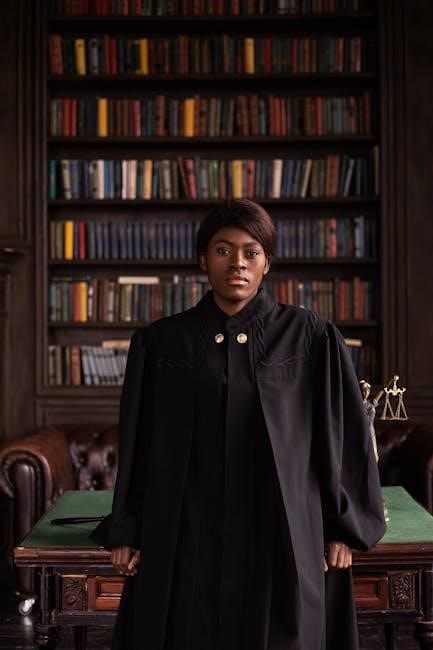
The trial of Tom Robinson vividly illustrates the injustice inherent in this segregated society. Despite overwhelming evidence of his innocence‚ he is convicted solely because of his race. The novel exposes the pervasive prejudice and the power imbalances that allowed such injustices to occur‚ highlighting the devastating consequences of systemic racism.
C. Social and Economic Conditions
The 1930s American South was marked by widespread poverty exacerbated by the Great Depression. Maycomb‚ the novel’s setting‚ reflects this economic hardship‚ with many families struggling to make ends meet. Socially‚ a rigid class structure existed‚ with established families like the Finches holding considerable power and influence. This economic disparity fueled social tensions and contributed to the prejudice against marginalized groups.
The Ewells‚ representing the lowest rung of white society‚ embody the desperation and lack of opportunity prevalent during this era. Their poverty and social standing contribute to their resentment and ultimately‚ their malicious actions. Understanding these conditions is crucial to grasping the motivations and behaviors of characters within the narrative.
IV. Character Analysis
The characters in To Kill a Mockingbird are richly developed‚ each embodying complex traits and motivations. Scout Finch‚ the narrator‚ provides a child’s innocent yet perceptive view of the unfolding events‚ shaping our understanding. Her brother‚ Jem‚ experiences a painful loss of innocence as he confronts the harsh realities of prejudice. Atticus Finch stands as a moral compass‚ championing justice and empathy in a deeply flawed society.
Boo Radley remains an enigmatic figure‚ symbolizing both fear and hidden kindness. Tom Robinson‚ unjustly accused‚ represents the devastating consequences of racial bias. Bob Ewell embodies pure malice‚ driven by ignorance and resentment. Analyzing these characters reveals the novel’s profound exploration of human nature.
A. Scout Finch: The Narrator’s Perspective
Jean Louise “Scout” Finch narrates To Kill a Mockingbird‚ offering a unique and compelling perspective. As a young girl‚ her innocent worldview initially shields her from the full extent of Maycomb’s prejudice. However‚ through witnessing the trial of Tom Robinson and experiencing various social injustices‚ Scout’s understanding evolves. Her childlike voice allows Harper Lee to explore complex themes with clarity and emotional resonance.
Scout’s narration isn’t simply a recounting of events; it’s a process of learning and growth. She grapples with societal expectations of femininity and challenges conventional norms. Her perspective provides a critical lens through which readers examine the adult world’s flaws.
B. Jem Finch: Growing Up and Loss of Innocence
Jeremy “Jem” Finch embodies the painful transition from childhood innocence to a more complex understanding of the world. Initially‚ he shares Scout’s naive optimism‚ participating in imaginative games and believing in the inherent goodness of people. However‚ the injustice surrounding Tom Robinson’s trial profoundly impacts him‚ shattering his faith in the legal system and societal morality.
Jem’s growing awareness of prejudice and cruelty leads to disillusionment and anger. He struggles to reconcile his idealized view of Atticus with the harsh realities of Maycomb. The attack on Jem and Scout further accelerates his loss of innocence‚ forcing him to confront the true nature of evil.
C. Atticus Finch: Morality and Justice
Atticus Finch stands as the moral compass of Maycomb‚ embodying unwavering integrity and a profound commitment to justice. He defends Tom Robinson‚ a Black man falsely accused of assaulting a white woman‚ despite facing intense social ostracism and threats. Atticus believes in treating everyone with respect and empathy‚ regardless of their race or social standing.
His decision to represent Tom isn’t about winning the case‚ but about upholding his principles and demonstrating to his children the importance of doing what is right‚ even when it’s difficult. Atticus teaches Scout and Jem valuable lessons about perspective‚ courage‚ and the dangers of prejudice. He exemplifies moral responsibility through his actions and words.
D. Boo Radley: Mystery and Redemption
Arthur “Boo” Radley is initially presented as a frightening enigma‚ shrouded in rumors and speculation by the children of Maycomb. He’s a recluse‚ rarely seen‚ and becomes the subject of their imaginative‚ often fearful‚ games. However‚ as the novel progresses‚ Boo’s character undergoes a subtle but significant transformation‚ revealing a gentle and protective nature.
Boo’s eventual act of saving Jem and Scout from Bob Ewell demonstrates his inherent goodness and courage. He steps out of the shadows‚ risking his own safety to protect the children. This act redeems him in the eyes of the community and highlights the dangers of judging others based on hearsay and appearances. Boo represents innocence and the potential for good hidden within societal outcasts.
E. Tom Robinson: Victim of Prejudice
Tom Robinson embodies the devastating consequences of racial prejudice deeply ingrained within Maycomb’s society. A hardworking and honest man‚ Tom is falsely accused of assaulting Mayella Ewell‚ a white woman‚ solely based on the color of his skin. Despite overwhelming evidence supporting his innocence – including Mayella’s injuries being consistent with a left-handed attacker‚ while Tom’s left arm is disabled – he is convicted by an all-white jury.
Tom’s tragic fate underscores the systemic injustice prevalent in the 1930s American South. His desperate attempt to escape prison‚ resulting in his death‚ symbolizes the crushing weight of a prejudiced system that offers no hope for fairness or equality. He is a “mockingbird” figure‚ innocent and vulnerable‚ destroyed by senseless cruelty.
F. Bob Ewell: Symbol of Evil
Bob Ewell represents the virulent racism‚ ignorance‚ and moral decay festering within Maycomb’s underbelly. He is a despicable character‚ embodying the worst aspects of humanity – poverty‚ bigotry‚ and a willingness to exploit others for personal gain. Ewell’s false accusation against Tom Robinson stems from his desire to maintain the social hierarchy and his own inflated sense of superiority.
His vengeful attack on Jem and Scout demonstrates his utter lack of conscience and his determination to inflict harm on those who threaten his worldview. Ewell’s ultimate demise‚ though brought about by Boo Radley‚ signifies a necessary purging of evil. He is a stark contrast to Atticus Finch’s moral integrity‚ serving as a potent symbol of societal corruption.

V. Plot Summary & Key Events

The narrative unfolds through Scout Finch’s innocent eyes‚ detailing her childhood in the Depression-era South. Early adventures with Jem and Dill center around their fascination with the reclusive Boo Radley‚ fueling imaginative games and attempts to coax him out. The central conflict arises with Atticus Finch’s defense of Tom Robinson‚ a Black man falsely accused of assaulting a white woman.
The trial exposes Maycomb’s deep-seated prejudice‚ culminating in Tom’s unjust conviction. Following the trial‚ Bob Ewell seeks revenge‚ attacking Jem and Scout. Boo Radley dramatically intervenes‚ saving the children and killing Ewell‚ ultimately revealing himself as a protector rather than a monster.
A. The Early Childhood Adventures
Scout and Jem’s formative years in Maycomb are characterized by imaginative play and a relentless curiosity about their mysterious neighbor‚ Arthur “Boo” Radley. Their summers are filled with attempts to lure Boo from his house‚ fueled by local legends and childhood dares. These adventures‚ though seemingly innocent‚ lay the groundwork for understanding prejudice and fear.
Dill Harris‚ a summer visitor‚ joins their escapades‚ amplifying their fascination with Boo and contributing to elaborate schemes. These early experiences cultivate a sense of wonder and a developing moral compass‚ shaping their perceptions of the world and foreshadowing the challenges they will face.
B. The Trial of Tom Robinson: A Detailed Overview
The trial of Tom Robinson‚ a Black man falsely accused of assaulting Mayella Ewell‚ forms the narrative’s core. Atticus Finch bravely defends Tom‚ despite facing intense racial prejudice from the community. The courtroom drama meticulously exposes the Ewells’ dishonesty and the deeply ingrained racism within Maycomb’s social fabric.
Despite overwhelming evidence of Tom’s innocence‚ the all-white jury delivers a guilty verdict‚ highlighting the pervasive injustice of the Jim Crow South. This devastating outcome shatters Jem’s faith in the legal system and forces Scout to confront the harsh realities of prejudice. The trial serves as a microcosm of societal failings.
C. The Attack on Jem and Scout
Following the trial’s unjust conclusion‚ Bob Ewell‚ fueled by revenge and humiliation‚ relentlessly harasses Atticus’s children. The climax arrives on a dark Halloween night as Jem and Scout walk home from the school pageant. Ewell ambushes them‚ attacking Jem and attempting to harm Scout‚ demonstrating his utter depravity.
The brutal assault underscores the lingering threat of prejudice and the lengths to which hatred can drive individuals. This violent act shatters the children’s sense of security and foreshadows the intervention of the reclusive Boo Radley. The attack is a pivotal moment‚ escalating the tension and propelling the narrative towards its resolution.
D. Boo Radley’s Intervention and Aftermath
During the attack on Jem and Scout‚ Boo Radley emerges from his self-imposed isolation‚ courageously intervening to save the children. He fatally wounds Bob Ewell in the ensuing struggle‚ effectively ending the threat he posed. However‚ Sheriff Tate makes a controversial decision to protect Boo‚ claiming Ewell fell on his own knife.
This act of shielding Boo highlights the complexities of justice and the need for compassion. The aftermath forces Scout to confront her preconceived notions about Boo‚ realizing he is a kind and gentle soul‚ a “mockingbird” himself. The incident brings a sense of closure‚ though tinged with sadness and a deeper understanding of human nature.
VI. Themes Explored in the Novel

To Kill a Mockingbird profoundly explores several interconnected themes. Racial injustice and prejudice are central‚ vividly depicted through Tom Robinson’s wrongful accusation and trial‚ exposing the deep-seated biases of Maycomb society. The novel also charts the loss of innocence experienced by Scout and Jem as they confront the harsh realities of prejudice and evil.
Courage and moral responsibility are embodied by Atticus Finch‚ who defends Tom despite societal pressure‚ demonstrating integrity and conviction. Finally‚ the stark social inequality and class divisions within Maycomb are highlighted‚ revealing the disparities in power and opportunity that shape the characters’ lives and destinies.
A. Racial Injustice and Prejudice
To Kill a Mockingbird relentlessly exposes the pervasive racial injustice deeply ingrained in the American South. The unjust accusation and subsequent trial of Tom Robinson‚ a Black man falsely accused of assaulting a white woman‚ epitomize this systemic prejudice. The novel demonstrates how societal biases and deeply held racist beliefs override evidence and reason‚ leading to a tragic outcome.
Maycomb’s ingrained prejudice manifests in various forms‚ from casual discrimination to violent threats. The Ewells‚ representing the lowest strata of white society‚ exploit racial tensions for their own gain‚ while even seemingly well-intentioned characters harbor unconscious biases. This theme underscores the devastating consequences of unchecked prejudice.
B. Innocence and Loss of Innocence

A central theme in To Kill a Mockingbird is the gradual loss of innocence experienced by Scout and Jem Finch. Initially‚ they perceive the world with childlike wonder and naiveté‚ shielded from the harsh realities of prejudice and injustice. However‚ witnessing the trial of Tom Robinson and the subsequent events shatters their idyllic worldview.
The children’s encounters with evil‚ embodied by Bob Ewell‚ and their growing understanding of racial inequality force them to confront the complexities of human nature. This process of disillusionment is painful but necessary for their moral development. The symbolic innocence represented by the mockingbird—harmless creatures who only bring joy—highlights the tragedy of lost purity.
C. Courage and Moral Responsibility
To Kill a Mockingbird profoundly explores the concepts of courage and moral responsibility‚ primarily through the character of Atticus Finch. He demonstrates true courage not through physical strength‚ but by defending Tom Robinson‚ a Black man falsely accused‚ despite facing intense social ostracism and threats. Atticus embodies a strong moral compass‚ teaching his children the importance of empathy and standing up for what is right‚ even when it’s unpopular.
His decision to represent Tom highlights his unwavering commitment to justice and equality. The novel suggests that true courage isn’t the absence of fear‚ but acting ethically despite fear. This theme extends to other characters‚ like Boo Radley‚ who displays quiet courage through his ultimate act of saving Jem and Scout.
D. Social Inequality and Class Divisions
To Kill a Mockingbird vividly portrays the deeply entrenched social inequality and rigid class divisions of the 1930s American South. Maycomb’s society is stratified‚ with the Finches representing the respectable gentry‚ the Cunninghams embodying poor but honest white farmers‚ and the Ewells existing as the lowest rung – impoverished‚ lawless‚ and prejudiced.
The novel exposes how these divisions are inextricably linked to racial prejudice‚ with Black citizens facing systemic discrimination and injustice. Tom Robinson’s fate exemplifies this‚ demonstrating how societal biases can override truth and fairness. The stark contrast between the living conditions and opportunities available to different social groups underscores the pervasive inequality that defines Maycomb’s landscape.
VII; Symbolism in To Kill a Mockingbird

Symbolism is crucial in To Kill a Mockingbird‚ enriching its thematic depth. The mockingbird itself represents innocence and harmlessness; to “kill a mockingbird” signifies destroying something pure and vulnerable‚ mirroring Tom Robinson’s unjust fate and Boo Radley’s misunderstood nature.
The Radley house embodies isolation‚ fear‚ and the unknown‚ initially perceived as menacing but ultimately revealing a hidden kindness. The mad dog‚ Tim Johnson‚ symbolizes prejudice and the latent threat of violence simmering beneath Maycomb’s surface‚ requiring Atticus’s courage to confront. These symbols collectively amplify the novel’s exploration of morality‚ justice‚ and the complexities of human nature.
A. The Mockingbird: A Symbol of Innocence
The mockingbird stands as the most potent symbol within Harper Lee’s narrative‚ representing pure‚ unadulterated innocence. These birds do no harm; they simply bring joy through their song‚ mirroring characters like Tom Robinson and Boo Radley‚ who are unjustly persecuted. Atticus explicitly warns Jem and Scout against killing mockingbirds‚ emphasizing the sin of destroying something harmless and beautiful.
Tom Robinson‚ falsely accused and convicted‚ embodies the mockingbird’s vulnerability‚ a victim of societal prejudice. Boo Radley‚ initially feared‚ is revealed as a gentle soul‚ another “mockingbird” harmed by misunderstanding. The act of “killing a mockingbird” thus becomes a metaphor for destroying innocence and compassion‚ a central moral critique of the novel.
B. The Radley House: Isolation and Fear
The Radley house looms large as a physical manifestation of isolation and the unknown‚ fueling the children’s imaginations and anxieties. Shrouded in secrecy‚ it represents a withdrawal from society‚ a self-imposed exile that breeds rumors and fear within Maycomb. The dilapidated state of the house mirrors the decaying social norms and prejudices prevalent in the town.
Initially perceived as a haunted and menacing place‚ the Radley house gradually reveals a more complex story of loneliness and misunderstood humanity; Boo Radley’s confinement within its walls symbolizes the damaging effects of societal judgment and the loss of connection. Ultimately‚ the house becomes a symbol of hidden kindness and the tragedy of ostracism.
C. The Mad Dog: Prejudice and Threat
The incident with the mad dog‚ Tim Johnson‚ serves as a potent allegory for the insidious spread of prejudice and the immediate threat it poses to the community. Just as the rabid dog is a danger to all‚ so too is the irrational hatred and bigotry that infects Maycomb. Atticus’s calm and skillful shooting of the dog demonstrates his ability to confront and neutralize danger‚ mirroring his defense of Tom Robinson.
This event foreshadows the trial and highlights the necessity of courage in the face of societal illness. The dog’s madness represents the irrationality of prejudice‚ while Atticus’s action symbolizes the need to actively combat it. It’s a stark illustration of how quickly a threat can escalate and the importance of responsible intervention.
VIII. Literary Devices & Style
Harper Lee masterfully employs several literary devices to enrich To Kill a Mockingbird. The first-person narration‚ through young Scout’s eyes‚ provides a unique and innocent perspective‚ shaping our understanding of complex events. Southern Gothic elements‚ like the decaying Radley house‚ create an atmosphere of mystery and unease‚ reflecting the darker undercurrents of Maycomb society.

Lee skillfully utilizes foreshadowing‚ hinting at future conflicts and revelations‚ and dramatic irony‚ where the audience knows more than the characters‚ heightening suspense. Her prose is characterized by vivid imagery and a lyrical quality‚ capturing the essence of the American South. These stylistic choices contribute to the novel’s enduring power and emotional resonance.
A. First-Person Narration and its Effects
To Kill a Mockingbird’s narrative strength lies in its first-person perspective‚ delivered through young Scout Finch. This choice profoundly shapes the reader’s experience‚ filtering events through a child’s innocent‚ yet observant‚ eyes. We witness Maycomb’s prejudices and Atticus’s moral struggles as Scout gradually comprehends them‚ fostering a sense of discovery alongside her.

This perspective allows Lee to explore complex themes – racial injustice‚ loss of innocence – with nuance. Scout’s naive voice doesn’t shy away from difficult truths‚ but presents them in a relatable manner. The limitations of her understanding also create dramatic irony‚ enhancing the narrative’s impact and emotional depth‚ making the story uniquely compelling;
B. Use of Southern Gothic Elements
Harper Lee masterfully employs Southern Gothic elements within To Kill a Mockingbird‚ enriching the novel’s atmosphere and thematic resonance. The decaying Radley house‚ shrouded in mystery and local superstition‚ embodies this genre’s focus on the grotesque and the marginalized. Similarly‚ the eccentric Boo Radley himself functions as a classic Gothic figure – isolated‚ misunderstood‚ and rumored to be monstrous.
These elements aren’t merely atmospheric; they reflect the South’s troubled past and its lingering social ills. The exploration of hidden darkness‚ family secrets‚ and societal decay underscores the novel’s critique of prejudice and injustice. Lee uses these tropes to expose the underbelly of Maycomb‚ revealing the moral corruption beneath its genteel facade.
C. Foreshadowing and Dramatic Irony
Lee skillfully utilizes foreshadowing and dramatic irony to build suspense and deepen the reader’s understanding of the unfolding tragedy in To Kill a Mockingbird. The early scenes involving the rabid dog‚ Tim Johnson‚ foreshadow the “madness” of racial prejudice that will ultimately consume Tom Robinson. Atticus’s calm handling of the dog mirrors his approach to the trial‚ yet hints at the danger lurking beneath the surface.
Dramatic irony is prevalent throughout‚ as the reader often possesses knowledge that the characters do not. We understand the injustice of the accusations against Tom‚ while many in Maycomb remain blinded by prejudice. This creates a sense of mounting tension and underscores the novel’s central themes of innocence and injustice.
IX. Critical Reception and Legacy
Upon its 1960 publication‚ To Kill a Mockingbird garnered immediate acclaim‚ winning the Pulitzer Prize and becoming a bestseller. Initial reviews praised Lee’s sensitive portrayal of racial injustice and her compelling narrative voice. However‚ the novel also faced some controversy‚ particularly regarding its depiction of Southern society and its use of racial slurs‚ reflecting the era’s sensitivities.
Despite initial debates‚ the novel’s enduring impact on literature and American culture is undeniable. It remains a staple in school curricula‚ prompting crucial conversations about prejudice‚ empathy‚ and moral courage. Adaptations‚ including the iconic 1962 film starring Gregory Peck‚ further cemented its legacy‚ reaching wider audiences and solidifying its place as a literary classic.
A. Initial Reviews and Controversy
To Kill a Mockingbird‚ released in 1960‚ swiftly achieved critical acclaim‚ earning the Pulitzer Prize and becoming a commercial success. Early reviews lauded Harper Lee’s sensitive depiction of racial injustice within the American South and the compelling narrative delivered through young Scout Finch’s perspective. Critics praised the novel’s moral depth and its exploration of complex themes.
However‚ the book wasn’t without its detractors. Some Southern reviewers criticized its portrayal of the region‚ finding it unfavorable and accusing Lee of perpetuating negative stereotypes. The inclusion of racial slurs‚ though historically accurate‚ sparked debate and discomfort. These initial controversies highlighted the sensitive nature of the subject matter and the societal tensions of the time.

B. The Novel’s Enduring Impact on Literature
To Kill a Mockingbird’s influence on American literature is profound and lasting. It quickly became a staple in high school curricula‚ fostering discussions about prejudice‚ justice‚ and empathy for generations of students. The novel’s success paved the way for more diverse voices and narratives exploring previously taboo subjects within mainstream literature.
Lee’s masterful use of narrative perspective and her ability to tackle difficult themes with nuance inspired countless authors. The book’s exploration of moral courage and the importance of standing up for what is right continues to resonate with readers today. Its enduring popularity demonstrates its timeless relevance and its power to provoke thought and inspire change.
C. Adaptations: Film and Stage
To Kill a Mockingbird has seen significant adaptations beyond the novel format‚ most notably the 1962 film starring Gregory Peck as Atticus Finch. This adaptation garnered critical acclaim‚ winning three Academy Awards and solidifying Peck’s iconic portrayal of the principled lawyer. The film brought the story to a wider audience‚ further amplifying its message of racial injustice and moral courage.
More recently‚ stage adaptations have emerged‚ including a Broadway production in 2018. These theatrical versions offer a different interpretive lens‚ allowing for a more intimate and immediate connection with the characters and themes. Both film and stage adaptations demonstrate the story’s continued relevance and its ability to captivate audiences across different mediums.