driving schools for manual transmission
Driving Schools for Manual Transmission: A Comprehensive Guide (Updated 01/22/2026)
Today‚ 01/22/2026‚ finding a school specializing in manual transmission is key; reviews and recommendations are vital for success.
Manual transmission‚ often referred to as “stick shift‚” offers a uniquely engaging driving experience‚ demanding coordination between the clutch‚ gear lever‚ and accelerator. While automatic transmissions dominate the market‚ learning manual provides a deeper understanding of vehicle mechanics and control.
Despite declining popularity‚ mastering a manual gearbox remains a valuable skill‚ offering increased vehicle control and potentially lower running costs. However‚ the learning curve can be steep‚ making professional instruction highly beneficial. Driving schools specializing in manual transmission provide structured lessons‚ ensuring a safe and effective learning environment.
These schools cater to both beginners and those seeking to refresh existing skills‚ offering a pathway to confidently operate a manual vehicle. The ability to drive a manual car opens up a wider range of vehicle choices and can be particularly useful in certain terrains or driving situations.
Why Choose a Driving School for Manual?
Learning manual transmission independently can be challenging and potentially unsafe. A dedicated driving school provides a structured curriculum‚ starting with vehicle familiarization and progressing to advanced maneuvers. Experienced instructors offer personalized guidance‚ correcting bad habits before they form and fostering confidence.
Unlike learning from friends or family‚ a professional school utilizes a systematic approach‚ ensuring all essential skills are covered. They provide access to suitable vehicles and a controlled environment‚ minimizing stress and maximizing learning efficiency.
Furthermore‚ schools often offer courses specifically designed to condense the learning process‚ like the Mini program‚ potentially achieving competence in just a few hours. This focused instruction is invaluable for quickly gaining proficiency and avoiding costly mistakes.
Benefits of Learning Manual Transmission
Mastering a manual transmission offers several advantages beyond simply operating a specific vehicle type. It enhances driving engagement‚ providing a more connected and immersive experience. Drivers develop a greater understanding of vehicle mechanics and control‚ improving overall road awareness.
The skill also increases versatility‚ allowing you to drive a wider range of cars‚ particularly in regions where manuals are prevalent. Learning manual can be incredibly rewarding‚ building confidence and strengthening your driving abilities.
Moreover‚ it’s a valuable skill to retain as part of a driving culture‚ and can be useful in emergency situations requiring precise vehicle control. It’s a skill that truly empowers a driver.

Finding the Right Driving School
Thorough research is crucial: check online reviews‚ seek recommendations‚ and confirm the school specifically offers manual transmission courses for optimal learning.
Researching Local Driving Schools
Begin your search by compiling a list of driving schools in your geographic area. Utilize online search engines and directories to identify potential candidates. Once you have a preliminary list‚ delve deeper into each school’s offerings. Specifically‚ investigate whether they explicitly advertise manual transmission lessons‚ as not all schools provide this specialized training.
Explore their websites for detailed course descriptions‚ instructor profiles‚ and available vehicle types. Pay attention to the school’s overall philosophy and approach to driver education. Consider factors like class sizes‚ scheduling flexibility‚ and the availability of one-on-one instruction. Don’t hesitate to contact the schools directly with any specific questions you may have regarding their manual transmission programs.
Checking Online Reviews and Reputation
Online reviews offer invaluable insights into the experiences of previous students. Explore platforms like Google Reviews‚ Yelp‚ and Facebook to gauge the school’s overall reputation. Pay close attention to comments specifically mentioning the manual transmission courses and the quality of instruction. Look for patterns – are there recurring themes of praise or criticism?
Be mindful of both positive and negative feedback‚ considering the context and potential biases. A school’s response to negative reviews can also be telling‚ demonstrating their commitment to customer satisfaction. Beyond formal review sites‚ search for mentions of the school in online forums and social media groups dedicated to driving or local communities.
Asking for Recommendations
Personal recommendations are often the most trustworthy source of information. Reach out to friends‚ family‚ and colleagues who have recently learned to drive a manual transmission vehicle. Ask about their experiences with different driving schools‚ specifically inquiring about the instructors’ expertise and the overall learning environment.
Don’t hesitate to ask detailed questions about the course structure‚ the vehicles used for training‚ and the level of individual attention provided. Local online community groups and social media platforms can also be valuable resources for gathering recommendations from fellow drivers in your area. A direct referral can often provide a more nuanced understanding of a school’s strengths and weaknesses.
Specific Manual Transmission Course Availability
Not all driving schools offer dedicated manual transmission courses; it’s crucial to verify availability before committing. Many schools primarily focus on automatic transmission training‚ so proactive inquiry is essential. When contacting schools‚ specifically ask if they have instructors experienced in teaching manual driving techniques.
Inquire about the course format – are lessons one-on-one‚ or are they conducted in a group setting? Some schools‚ like Mini Manual Driving School‚ offer intensive‚ short-duration courses designed to quickly build proficiency. Confirm the vehicles used for training are well-maintained and representative of the type of manual car you intend to drive.

What to Expect in a Manual Transmission Course
Expect initial vehicle familiarization‚ mastering clutch control‚ gear shifting‚ hill starts‚ and advanced maneuvers on diverse road conditions for confident driving.
Initial Vehicle Familiarization
The first step involves a thorough introduction to the manual transmission vehicle itself. This isn’t simply about locating the gear stick; it’s about understanding how everything interacts. Expect a detailed explanation of the clutch pedal’s function – its engagement and disengagement points are crucial.
Instructors will walk you through the gear pattern‚ explaining each gear’s purpose and how it affects the vehicle’s speed and power. You’ll learn about the handbrake’s role in preventing rollback‚ especially on inclines. Furthermore‚ understanding the dashboard indicators‚ particularly the tachometer‚ is essential for timing gear changes effectively.
This initial phase aims to build a foundational comfort level before even attempting to move the vehicle‚ ensuring a solid base for subsequent lessons.
Clutch Control and Coordination
Mastering the clutch is paramount in manual transmission driving. Initial exercises focus solely on finding the “bite point” – the precise position where the clutch begins to engage the engine. This requires slow‚ deliberate movements and a sensitive foot.
Coordination with the accelerator is then introduced‚ aiming for smooth starts without stalling. Instructors emphasize releasing the clutch gradually while simultaneously applying gentle pressure to the gas pedal. Expect numerous stalls initially; they are a natural part of the learning process!
Exercises will likely involve starting and stopping repeatedly to build muscle memory and refine this crucial coordination‚ forming the bedrock of confident manual driving.
Gear Shifting Techniques
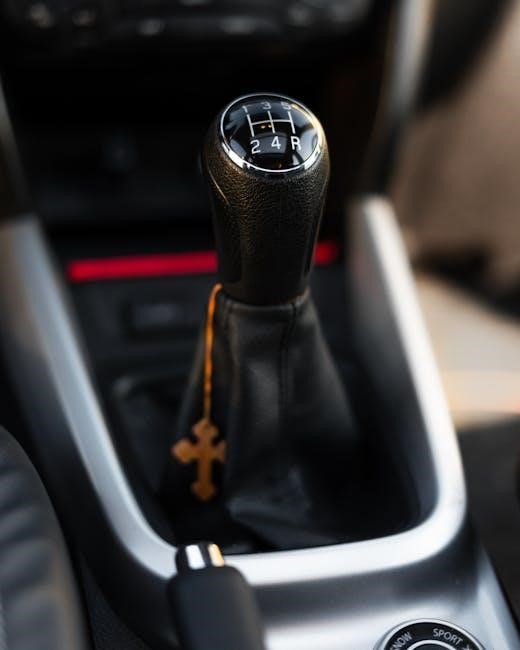
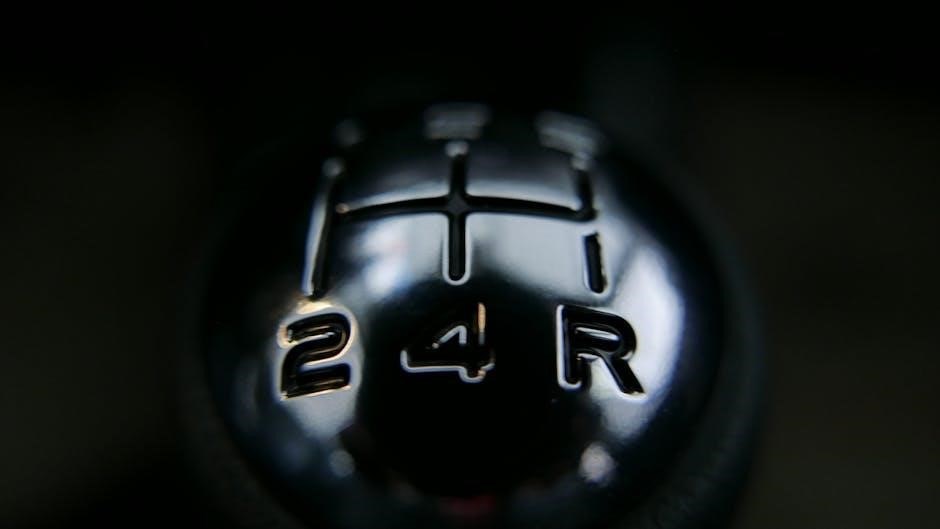
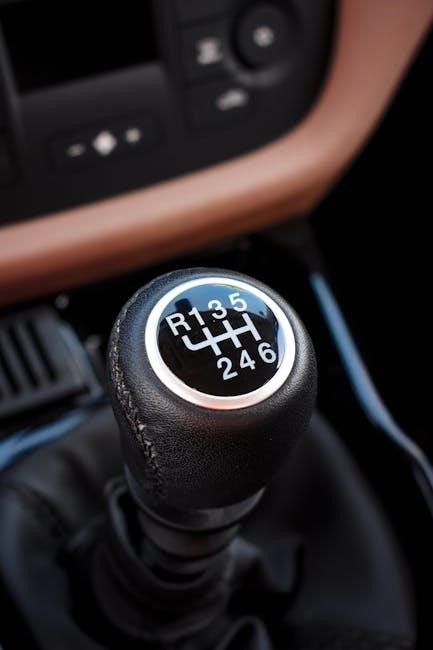
Proper gear selection is vital for efficient and controlled driving. Instruction begins with understanding the gear pattern – typically displayed on the gear knob – and practicing shifts between first and second gear. Emphasis is placed on fully depressing the clutch before moving the gear lever.
Smooth‚ decisive movements are encouraged to avoid grinding gears. Instructors will guide students through upshifting and downshifting techniques‚ explaining how to match engine speed to road speed for seamless transitions.
The goal is to develop a feel for when to shift based on engine RPM and vehicle speed‚ ultimately leading to a comfortable and responsive driving experience.
Hill Starts and Advanced Maneuvers
Mastering hill starts is a crucial skill for manual drivers. Instruction focuses on using the handbrake to prevent rollback while coordinating clutch and accelerator. Students learn to smoothly release the handbrake as they engage the accelerator‚ achieving a controlled start without stalling.
Advanced maneuvers‚ like reversing uphill and performing three-point turns on inclines‚ build confidence and precision. These exercises demand refined clutch control and spatial awareness.
Instructors provide guidance on maintaining vehicle stability and preventing rollback during these challenging scenarios‚ ensuring a safe and proficient driving experience.
Practice on Various Road Conditions
Real-world driving demands adaptability‚ so manual transmission courses extend beyond controlled environments. Students practice on diverse road surfaces – from smooth highways to uneven city streets – to refine their skills.
Exposure to varying gradients‚ including hills and declines‚ is essential for mastering clutch control and gear selection. Driving in different traffic densities‚ from light to congested‚ builds confidence and quick-thinking abilities.
Instructors guide students through navigating intersections‚ roundabouts‚ and merging onto highways‚ ensuring they can confidently handle any driving situation.
Cost and Duration of Manual Driving Lessons
Lessons typically span a few hours‚ with average costs varying; a Mini program can offer proficiency in just three hours of focused instruction.
Average Lesson Costs
Determining the average cost of manual transmission driving lessons requires considering several factors‚ including location‚ instructor experience‚ and lesson duration. While prices fluctuate‚ prospective students can generally expect to pay between $75 and $150 per hour. Some schools offer package deals‚ potentially reducing the per-lesson cost.
The Mini Manual Driving School program‚ noted for its intensive approach‚ demonstrates that effective training doesn’t necessarily require extensive (and expensive) hours. However‚ individual needs vary‚ and some learners may require more sessions to achieve proficiency.
It’s crucial to inquire about any additional fees‚ such as vehicle rental or insurance‚ before committing to a course. Comparing quotes from multiple driving schools will help ensure you receive a competitive price for quality instruction.
Typical Course Length (Hours)
The duration of a manual transmission driving course varies significantly based on individual learning pace and prior driving experience. However‚ a common range falls between 5 and 15 hours of instruction. The Mini Manual Driving School program notably offers intensive courses‚ potentially achieving competency in just a few hours – around 3‚ according to reviews;
Beginners typically require more time to master clutch control‚ gear shifting‚ and hill starts. More experienced drivers‚ or those with a mechanical aptitude‚ may progress faster.
Most schools structure lessons in 60-90 minute blocks. A realistic expectation is to complete at least 8-12 hours to gain sufficient confidence and skill for independent driving. Consistent practice between lessons is also highly recommended.
Factors Influencing Price
Several key elements determine the cost of manual transmission driving lessons. The instructor’s experience and qualifications significantly impact pricing‚ with certified and highly-rated instructors often charging more. Location plays a role‚ as lessons in metropolitan areas tend to be pricier than those in rural settings.
Course length is a primary factor; longer courses naturally cost more. The type of vehicle used for instruction can also affect the price‚ with newer or specialized cars potentially increasing fees.
Finally‚ demand and competition within the local market influence pricing. Schools offering specialized programs‚ like Mini’s intensive course‚ may have different pricing structures than traditional schools.
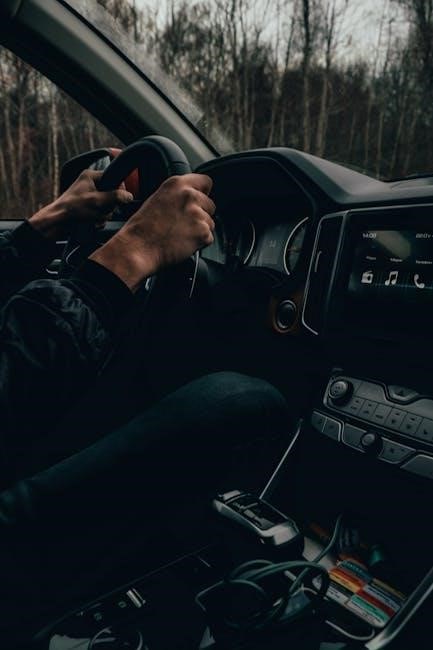
Mini Manual Driving School – A Case Study
Mini’s program offers a unique‚ intensive approach to learning manual transmission‚ often completed in just a few hours with positive testimonials.
Overview of the Mini Program
The Mini Manual Driving School distinguishes itself by offering a concentrated learning experience‚ specifically designed for individuals eager to master the art of driving a stick shift. Unlike traditional‚ lengthy courses‚ Mini focuses on efficiency‚ aiming to equip students with fundamental skills within a remarkably short timeframe – often just a few hours.
This program takes place on a closed course‚ eliminating the pressures of public roads and potential traffic disruptions. This controlled environment allows learners to focus entirely on clutch control‚ gear shifting‚ and coordination without the added stress of external factors. The program’s structure prioritizes practical application‚ providing ample opportunity for hands-on practice with a provided vehicle.
Notably‚ the Mini program has garnered attention for its success rate‚ with many students reporting a significant increase in confidence and competence after completing the course‚ even enabling them to drive their own manual cars immediately afterward.
Course Structure and Approach
Mini’s approach centers around a highly focused‚ three-hour curriculum designed to rapidly build proficiency in manual transmission driving. The course begins with vehicle familiarization‚ covering the essential components and their functions. A core element is dedicated to mastering clutch control and coordinating it seamlessly with gear selection – the foundation of smooth driving.
Instructors emphasize practical exercises‚ guiding students through gear-shifting techniques and progressively introducing more challenging maneuvers. Hill starts‚ a common point of anxiety for new manual drivers‚ receive dedicated attention. The closed-course setting allows for repeated practice without the risks associated with public roads.
The program’s success stems from its intensive nature and personalized instruction‚ catering to individual learning paces and addressing specific challenges as they arise.
Success Stories and Testimonials
Numerous students have lauded the Mini Manual Driving School’s transformative impact‚ transitioning from initial frustration to confident manual drivers within hours. One testimonial highlights a complete novice successfully driving a newly purchased manual car across two states immediately after the course‚ without a single stall – a testament to the program’s effectiveness.
Participants consistently praise the instructors’ patience and ability to break down complex techniques into manageable steps. The closed-course environment is frequently cited as a crucial factor‚ providing a safe and pressure-free space to practice and overcome common anxieties.
The overwhelmingly positive feedback underscores the program’s value in preserving manual driving skills and fostering a new generation of enthusiasts.

The Importance of Experienced Instructors
Qualified instructors with certifications are crucial‚ offering patient guidance and personalized approaches to effectively teach manual transmission techniques to diverse learners.
Qualifications and Certifications
Seeking instructors possessing valid driving instructor licenses is paramount‚ ensuring they meet established standards for teaching competency and safety protocols. Beyond basic licensing‚ certifications in advanced driving techniques‚ or specific manual transmission instruction‚ demonstrate a commitment to specialized expertise.
Verify instructors’ backgrounds‚ checking for clean driving records and a history of positive student feedback. Reputable driving schools prioritize ongoing professional development for their staff‚ keeping them updated on the latest driving methodologies and vehicle technologies.
Furthermore‚ inquire about instructor experience specifically with manual transmissions; familiarity with various vehicle types and common student challenges is invaluable. A well-qualified instructor will not only impart technical skills but also foster confidence and safe driving habits;
Instructor Patience and Communication
Learning manual transmission demands patience‚ both from the student and the instructor. A skilled instructor understands the initial frustrations and challenges learners face‚ offering encouragement and constructive feedback without judgment. Effective communication is crucial; instructors should clearly explain concepts‚ demonstrate techniques‚ and actively listen to student concerns.
Look for instructors who adapt their teaching style to individual learning paces and preferences. The ability to break down complex maneuvers into manageable steps‚ and provide personalized guidance‚ significantly enhances the learning experience.
Positive reinforcement and a calm demeanor create a supportive environment‚ fostering confidence and reducing anxiety. A good instructor will prioritize building a student’s self-assurance alongside their technical skills.
Personalized Learning Approaches
Effective manual transmission instruction isn’t one-size-fits-all. Recognizing diverse learning styles – visual‚ auditory‚ kinesthetic – is paramount. Instructors should tailor lessons to address individual strengths and weaknesses‚ providing customized exercises and feedback.
Some students may grasp clutch control quickly‚ while others struggle with gear shifting. A personalized approach allows instructors to focus on specific areas needing improvement‚ maximizing learning efficiency. This might involve varying practice scenarios or adjusting the pace of instruction.
Successful schools assess student progress regularly‚ adapting the curriculum accordingly. This ensures learners receive targeted support and build a solid foundation in manual driving skills‚ fostering confidence and competence.

Beyond the Basics: Advanced Manual Skills
Mastering smooth gear changes‚ rev matching‚ and emergency stops elevates driving proficiency‚ building confidence and control for experienced manual transmission drivers.
Smooth Gear Changes
Achieving seamless gear transitions is a hallmark of skilled manual driving‚ requiring precise coordination between the clutch‚ throttle‚ and gear lever. Driving schools emphasize techniques to minimize jerkiness and maintain vehicle momentum. Instructors guide students through exercises focusing on timing and feel‚ helping them anticipate the optimal moment for each shift.
Proper synchronization of engine speed and gear selection is crucial. Students learn to listen to the engine’s feedback‚ recognizing when to release the clutch smoothly for a fluid transition. Consistent practice builds muscle memory‚ allowing for instinctive and refined gear changes. Mastering this skill enhances driving comfort‚ reduces wear and tear on the vehicle‚ and improves overall control‚ especially during spirited driving or challenging road conditions.
Rev Matching Techniques
Rev matching‚ a sophisticated manual driving skill‚ involves briefly increasing engine RPMs to synchronize with the upcoming gear’s speed during downshifts. Driving schools introduce this technique to create smoother‚ more controlled gear changes and reduce stress on the drivetrain. Instructors demonstrate how to “blip” the throttle while depressing the clutch and shifting to a lower gear.
This process minimizes the shock transmitted through the transmission‚ resulting in a seamless transition and preventing wheel upset. Mastering rev matching enhances driving precision‚ particularly during cornering or aggressive driving scenarios. It also contributes to a more refined and enjoyable driving experience‚ showcasing a deeper understanding of vehicle dynamics and control. Consistent practice is key to developing the necessary coordination and finesse.
Emergency Stop Procedures
Driving schools emphasize mastering emergency stop procedures in manual transmission vehicles‚ a critical skill for safety. Instructors guide students through the coordinated actions of simultaneously depressing the clutch and applying firm‚ consistent brake pressure. This prevents stalling the engine during a sudden stop‚ maintaining vehicle control.
Students learn to avoid locking the wheels‚ utilizing threshold braking techniques where appropriate. The curriculum covers practicing emergency stops on various surfaces and at different speeds. Emphasis is placed on maintaining situational awareness and scanning for potential hazards. Proper execution ensures a rapid‚ controlled halt‚ minimizing stopping distance and reducing the risk of collisions. Regular drills build muscle memory and confidence.
The Future of Manual Transmission Driving
Despite advancements‚ a dedicated culture preserves manual driving‚ with schools like Mini offering focused training‚ ensuring skills remain relevant and accessible.
Demand for Manual Skills
While automatic transmissions dominate the market‚ a surprising demand for manual driving skills persists. This isn’t solely driven by enthusiasts seeking a more engaging driving experience. Certain sectors‚ like classic car restoration and specialized vehicle operation‚ actively require individuals proficient in manual transmission.
Furthermore‚ learning manual can enhance overall driving competence‚ fostering a deeper understanding of vehicle mechanics and control. Driving schools offering manual training cater to this niche‚ providing a valuable skillset often overlooked in standard automatic-focused curricula. The Mini Manual Driving School‚ for example‚ addresses this demand directly‚ offering focused instruction.
This sustained‚ albeit specialized‚ demand ensures the continued relevance of manual transmission education‚ proving it’s not a dying art‚ but rather a skill with enduring practical applications.
Preservation of Manual Driving Culture
Beyond practical skills‚ driving schools offering manual transmission lessons play a crucial role in preserving a unique automotive culture. For many‚ driving a manual car represents a connection to a more visceral and engaging driving experience – a skill often considered a rite of passage.
Initiatives like the Mini Manual Driving School directly address the potential loss of this skill‚ providing opportunities for new generations to experience and appreciate the art of stick-shift driving. This isn’t simply about nostalgia; it’s about maintaining a diverse skillset within the driving community.
By fostering this culture‚ these schools ensure that the legacy of manual transmission driving continues‚ offering a valuable alternative to the increasingly automated world of modern vehicles.
Technological Advancements and Manual Cars
Despite the rise of automatic transmissions and advanced driver-assistance systems‚ manual cars continue to hold appeal for enthusiasts. Interestingly‚ even with technological advancements‚ the core skill of vehicle control remains paramount‚ and learning manual transmission enhances this understanding.
Modern manual cars often incorporate technologies like rev-matching assistance‚ making the experience more accessible. Driving schools adapt by integrating these features into their curriculum‚ teaching students how to utilize them effectively.
However‚ the fundamental principles of clutch control and gear selection remain essential‚ ensuring drivers possess a comprehensive understanding of vehicle dynamics‚ regardless of technological aids.