pedro paramo english pdf
Pedro Páramo English PDF: A Comprehensive Guide (Updated 03/16/2026)
This guide navigates accessing the English PDF of Juan Rulfo’s masterpiece, Pedro Páramo, translated by Margaret Sayers Peden.
We’ll explore legitimate download sources, free and paid options, and the novel’s enduring impact.
Understanding the Novel’s Significance
Pedro Páramo, published in 1955, represents a pivotal moment in Latin American literature, dramatically diverging from prevailing realist narratives. Juan Rulfo’s innovative approach, now synonymous with magical realism, intricately blends vivid imagery, intense emotions, and elements of the supernatural, profoundly influencing subsequent generations of writers, most notably Gabriel García Márquez.
The novel’s fragmented structure and non-linear timeline mirror the fractured memories and haunting atmosphere of Comala, the ghost town at its heart. It’s not merely a story; it’s an immersive experience, challenging conventional narrative expectations. The English translation by Margaret Sayers Peden is crucial for wider accessibility, faithfully conveying Rulfo’s poetic prose and complex themes.
Its significance lies in its exploration of universal themes – death, memory, power, and the search for identity – within a uniquely Mexican context. Pedro Páramo delves into the aftermath of the Mexican Revolution and the enduring legacy of violence and injustice. The PDF version allows readers worldwide to engage with this landmark work, preserving its literary importance for future generations.
Historical Context of Pedro Páramo
Pedro Páramo is deeply rooted in the socio-political landscape of post-revolutionary Mexico. Juan Rulfo, born in 1917, witnessed firsthand the aftermath of a decade of violent conflict and societal upheaval. The novel, though not explicitly detailing historical events, reflects the pervasive sense of loss, disillusionment, and the enduring power structures that characterized rural Mexico during the mid-20th century.
Comala, the novel’s setting, embodies the stagnation and decay of many rural communities left behind by modernization. The figure of Pedro Páramo himself represents the caudillo – the powerful, often ruthless landowner who controlled vast territories and exploited the peasantry. The exploration of land ownership, political corruption, and the suffering of the marginalized are central to understanding the novel’s context.
Accessing the English PDF allows a broader audience to grasp these historical nuances. Understanding this backdrop is crucial for appreciating the novel’s critique of power dynamics and its poignant portrayal of a nation grappling with its past. Rulfo’s work serves as a powerful testament to a turbulent period in Mexican history.
Juan Rulfo: Author Biography
Juan Rulfo (1917-1986) was a Mexican author, screenwriter, and photographer, renowned for his two major works: the collection of short stories El Llano en llamas (The Burning Plain) and the novel Pedro Páramo. His life profoundly influenced his writing, marked by a childhood shaped by loss and displacement. He was orphaned at a young age and raised by his maternal grandfather, a formative experience reflected in the themes of abandonment and familial searching within his narratives.
Rulfo’s career was unconventional; he worked various jobs, including as a government employee and a photographer, before dedicating himself fully to writing. He struggled with financial hardship throughout much of his life, yet his literary contributions have had an immeasurable impact.
The availability of the English PDF of Pedro Páramo allows readers to connect directly with Rulfo’s unique voice and vision. His sparse, poetic prose and innovative narrative techniques cemented his place as a pivotal figure in Latin American literature, influencing generations of writers, including Gabriel García Márquez.
The English Translation – Margaret Sayers Peden’s Work
Margaret Sayers Peden’s 1993 English translation of Pedro Páramo is widely considered definitive, capturing the essence of Rulfo’s poetic and fragmented style. Peden, a respected translator of Latin American literature, faced the challenge of rendering Rulfo’s unique voice – characterized by its sparse prose, colloquialisms, and shifting perspectives – into English.
Her translation skillfully navigates the novel’s complex narrative structure and preserves the haunting atmosphere of Comala. Peden’s work is praised for its fidelity to the original Spanish text while remaining accessible to English-speaking readers. The availability of the English PDF version is largely due to the enduring quality of her translation.
The foreword by Gabriel García Márquez and afterword by Susan Sontag further enhance the edition, providing critical context and analysis. Accessing the PDF allows readers to experience Rulfo’s masterpiece through Peden’s masterful interpretation.
Availability of the English PDF Version
The English PDF version of Pedro Páramo, translated by Margaret Sayers Peden, enjoys widespread availability online, though sourcing legitimate copies is crucial. Several academic institutions and online booksellers offer the PDF for purchase, ensuring a high-quality, legally obtained version.
However, numerous websites provide free PDF downloads, often of questionable legality and quality. These may contain errors, incomplete text, or even malware. Caution is advised when utilizing such sources. The Northwestern University Press edition, a standard for English translations, is frequently found in PDF format through library databases and subscription services.
Checking university library websites and digital lending platforms is a reliable method for accessing the PDF. The enduring popularity of the novel contributes to its consistent presence in digital formats, making it relatively easy to find, but discerning legitimate sources remains paramount.
Legitimate Sources for Downloading the PDF
Northwestern University Press is a primary legitimate source for the Pedro Páramo English PDF, offering a reliable, high-quality version of Margaret Sayers Peden’s translation. Many university and college libraries subscribe to digital collections that include this text, providing students and researchers with access.
JSTOR and Project MUSE are academic databases frequently hosting the PDF, often requiring institutional access. Google Books sometimes offers preview access or full PDF downloads, depending on copyright restrictions. Reputable online bookstores like Amazon and Barnes & Noble sell the PDF version directly.
Furthermore, exploring digital library platforms like OverDrive or Libby, often linked to public library systems, can yield legitimate PDF access. Always verify the source’s authenticity before downloading to avoid pirated copies or potential security risks. Prioritizing these established platforms ensures a legal and quality reading experience.
Free vs. Paid PDF Options
Finding a free, legal PDF of Pedro Páramo can be challenging. While some websites may offer downloads, these often infringe on copyright and pose security risks. Public domain status hasn’t been reached for Peden’s translation, limiting genuinely free, legitimate options.
Paid PDF options guarantee a legal, high-quality reading experience. Purchasing from Northwestern University Press or reputable online bookstores like Amazon ensures you support the author, translator, and publisher. These versions typically include enhanced features like searchable text and adjustable font sizes.
Library access provides a free alternative through digital lending platforms like OverDrive or Libby, requiring only a library card. Consider the ethical implications of free, unauthorized downloads; supporting copyright protects literary creation. Weighing convenience against legality and quality is crucial when choosing between free and paid PDF options.
Exploring Themes in Pedro Páramo
Pedro Páramo delves into profound themes of memory, loss, and the cyclical nature of violence. The novel’s fragmented narrative mirrors the fractured recollections of Juan Preciado, blurring the lines between past and present. Comala embodies a collective amnesia, haunted by the echoes of unaddressed suffering.
Power and tyranny are central, embodied by Pedro Páramo’s oppressive control over Comala. His exploitation of the villagers and disregard for human life create a landscape of despair. The novel explores the consequences of unchecked authority and the enduring impact of historical trauma.
The search for identity and paternal connection drives Juan Preciado’s journey. His quest to find Pedro Páramo becomes a symbolic exploration of his own origins and the weight of family history. Ultimately, Pedro Páramo offers a haunting meditation on the complexities of Mexican identity and the enduring power of the past.
The Blurring of Reality and the Supernatural
Pedro Páramo masterfully blends realism with elements of the supernatural, creating a disorienting and dreamlike atmosphere. The novel’s setting, Comala, is populated by ghosts and echoes of the past, blurring the boundaries between the living and the dead. This spectral quality reflects the characters’ inability to escape their history.
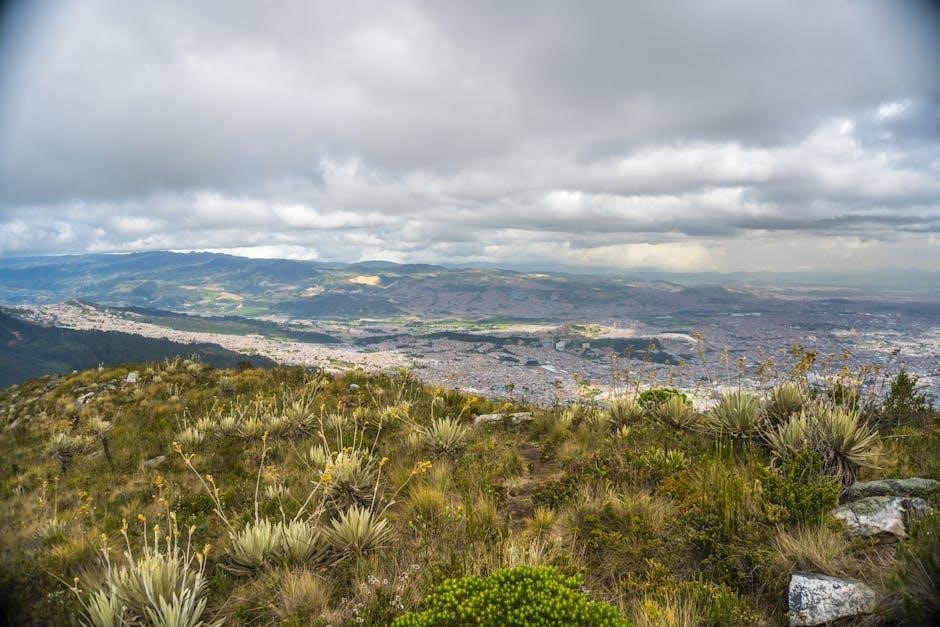
The narrative structure itself contributes to this ambiguity, shifting between different perspectives and time periods without clear transitions. Juan Preciado’s journey is marked by encounters with disembodied voices and fragmented memories, challenging his perception of reality.
This interplay between the tangible and the ethereal is a hallmark of magical realism, a literary style that Rulfo helped pioneer. The supernatural elements are not presented as fantastical occurrences, but rather as integral aspects of Comala’s reality, reflecting the deep-seated beliefs and anxieties of its inhabitants.
Key Characters and Their Symbolism
Pedro Páramo features a cast of characters deeply embedded with symbolic weight, reflecting the novel’s themes of power, loss, and societal decay. Pedro Páramo himself embodies tyrannical authority and the destructive consequences of unchecked ambition. His control over Comala extends even after death, haunting the town and its inhabitants.
Juan Preciado, the protagonist, represents a search for identity and a reckoning with the past. His journey to Comala is not merely a quest to find his father, but a confrontation with his own lineage and the secrets that have shaped his life.
Susana San Juan, a central figure, symbolizes lost innocence and the suffering of women in a patriarchal society. Other characters, like Eduviges Yañez, represent different facets of Comala’s tragic history. Through these figures, Rulfo explores the complexities of human relationships and the enduring impact of trauma.
Pedro Páramo: A Tyrannical Figure
Pedro Páramo is the central, dominating force in the novel, a figure whose power extends far beyond his lifetime. He embodies ruthless ambition, exploiting the land and people of Comala for personal gain. His tyranny isn’t simply political; it’s a pervasive control over life, death, and memory itself.
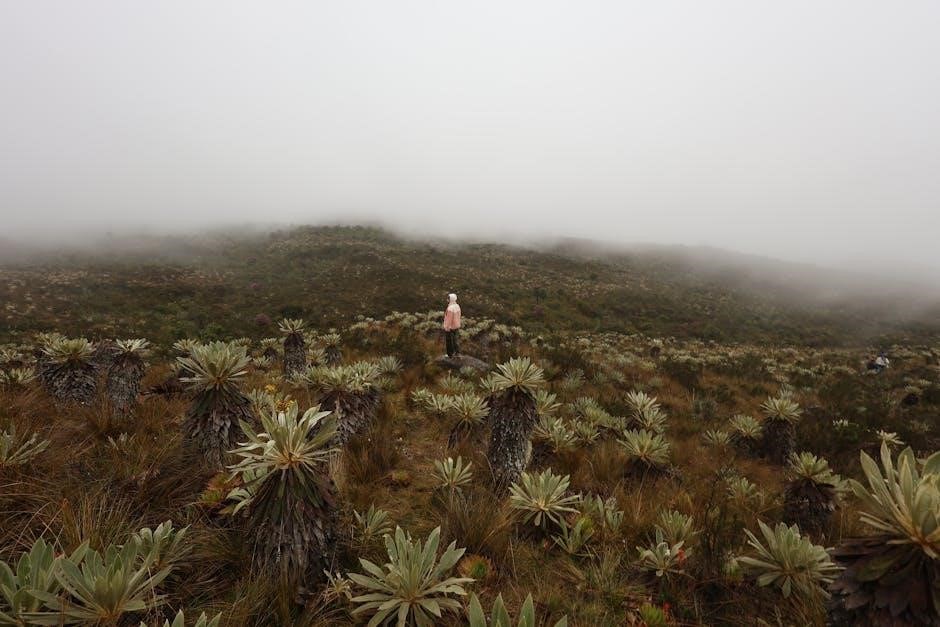
Rulfo portrays Páramo as a man devoid of empathy, driven solely by his desires. He amasses wealth and land through manipulation and violence, leaving a trail of broken lives in his wake. Even after his death, his presence looms large, shaping the experiences of those who remain in Comala.
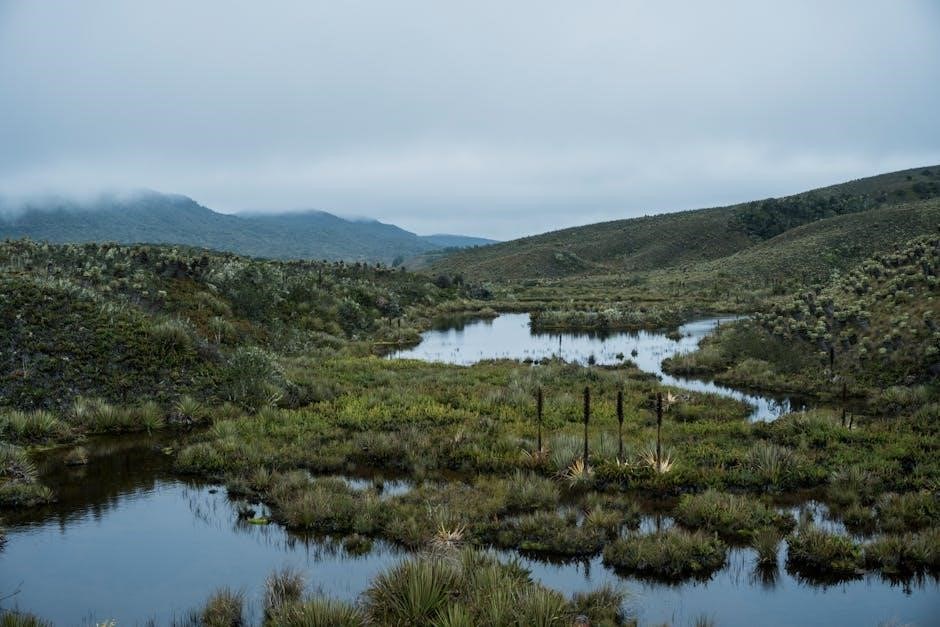
The novel doesn’t offer a straightforward condemnation of Páramo, but rather a complex exploration of the roots of his power. His tyranny is linked to the social and economic structures of Mexico, highlighting the enduring legacy of exploitation and injustice. He is a symbol of a corrupt system, and the haunting atmosphere of Comala reflects the consequences of his reign.
Juan Preciado’s Journey and Purpose
Juan Preciado’s pilgrimage to Comala forms the narrative spine of Pedro Páramo, yet his purpose remains shrouded in ambiguity. Driven by his dying mother’s wish to meet his father, Pedro Páramo, Juan embarks on a quest that quickly dissolves into a surreal and unsettling exploration of the past.

His journey isn’t a traditional search for paternal connection; it’s a descent into a world populated by ghosts and fragmented memories. As Juan navigates the desolate landscape of Comala, he encounters the lingering spirits of those affected by Pedro Páramo’s tyranny, gradually piecing together the story of his father’s life and the town’s decay.
Juan’s own identity becomes increasingly blurred as he immerses himself in Comala’s spectral realm. He becomes a conduit for the voices of the dead, his own narrative voice often indistinguishable from theirs. Ultimately, his purpose isn’t to find Pedro Páramo, but to understand the weight of the past and its enduring impact on the present.
Comala: The Ghost Town Setting
Comala isn’t merely a location in Pedro Páramo; it’s a character in itself – a haunting, desolate ghost town steeped in sorrow and silence. Juan Preciado’s arrival reveals a place seemingly devoid of life, yet teeming with the echoes of the deceased. The oppressive heat and stillness contribute to the town’s unsettling atmosphere, mirroring the stagnation of its inhabitants’ lives.
Pedro Páramo’s dominance has effectively drained Comala of its vitality, leaving behind a landscape populated by spectral remnants. The town’s physical decay reflects the moral and spiritual corruption that pervades its history. Buildings stand as hollow shells, and the very air seems to vibrate with unspoken grief.
Comala functions as a symbolic representation of Mexico’s post-revolutionary struggles and the enduring legacy of violence and injustice. It’s a place where the boundaries between life and death are blurred, and the past relentlessly intrudes upon the present, trapping its inhabitants in an endless cycle of suffering.
Magical Realism in Pedro Páramo
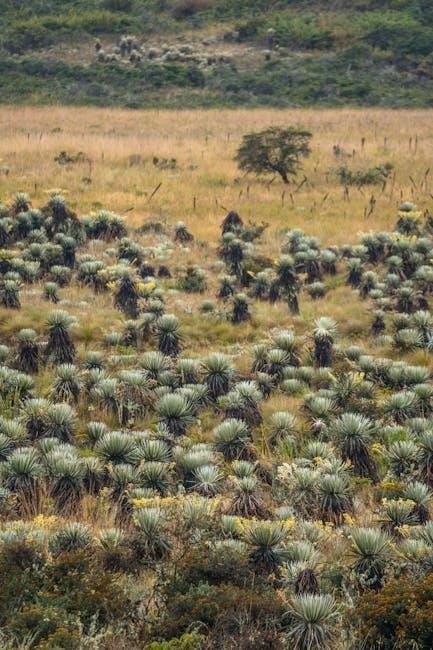
Pedro Páramo is a cornerstone of magical realism, seamlessly blending realistic depictions of rural Mexico with fantastical elements and supernatural occurrences. This isn’t about overt magic, but rather an acceptance of the inexplicable as part of everyday life within Comala. The voices of the dead intermingling with the living, the blurring of temporal boundaries, and the pervasive sense of a haunted past are all hallmarks of this style.
Rulfo’s masterful use of language and imagery creates an atmosphere where the ordinary becomes extraordinary. The novel doesn’t explain these phenomena; it simply presents them as inherent to the reality of Comala, forcing the reader to accept the illogical and embrace the ambiguity.

This technique profoundly influenced Gabriel García Márquez and subsequent Latin American literature. Rulfo’s “entrancing mixture of vivid sensory images, violent passions, and inexplicable sorcery” established a new literary paradigm, demonstrating how magical realism could be used to explore complex themes of history, memory, and identity.
Influence on Gabriel García Márquez and Latin American Literature
Pedro Páramo’s impact on Latin American literature is monumental, particularly its influence on Gabriel García Márquez. Márquez himself acknowledged Rulfo’s work as a crucial inspiration, stating that Pedro Páramo was the first novel to truly represent Latin America’s unique reality.
Rulfo’s innovative narrative techniques – fragmented timelines, shifting perspectives, and the blending of the real and the supernatural – paved the way for Márquez’s own masterpieces, such as One Hundred Years of Solitude. The exploration of memory, the weight of history, and the portrayal of isolated communities resonated deeply with Márquez and became central themes in his writing.
Beyond Márquez, Pedro Páramo inspired a generation of Latin American authors to embrace magical realism and explore their cultural identities through innovative storytelling. It demonstrated the power of literature to challenge conventional narratives and offer a unique perspective on the complexities of the region’s history and society.
Comparative Analysis: Pedro Páramo and Celestino antes del alba
A compelling literary connection exists between Juan Rulfo’s Pedro Páramo and Alejo Arenas’s Celestino antes del alba, revealing a profound influence. Scholarly analysis suggests Arenas subtly incorporated elements from Rulfo’s masterpiece into his own work, creating a fascinating intertextual dialogue.
Researchers have identified parallel scenes in both novels, suggesting Arenas consciously rewrote or reimagined passages from Pedro Páramo. This isn’t mere imitation; rather, it’s a deliberate engagement with Rulfo’s themes, character construction, and narrative techniques.
The comparison extends beyond specific scenes to encompass broader elements like the representation of time and space, the use of language, and the exploration of similar themes. Analyzing these connections unveils the implicit presence of Pedro Páramo throughout Arenas’s novel, demonstrating Rulfo’s lasting impact on Latin American literature and inspiring deeper understanding of both texts.
Critical Reception and Literary Analysis of the English Translation
Margaret Sayers Peden’s English translation of Pedro Páramo has garnered significant critical acclaim, lauded for its fidelity to Rulfo’s unique style and its ability to convey the novel’s haunting atmosphere. Published in 1993, the translation opened Rulfo’s work to a wider English-speaking audience, solidifying its place in the canon of Latin American literature.
Critics praise Peden’s skillful handling of Rulfo’s fragmented narrative and poetic prose, successfully capturing the blurring of reality and the supernatural that defines the novel. Susan Sontag’s afterword further enriches the reading experience, offering insightful commentary on the novel’s themes and literary significance.
Literary analysis often focuses on how Peden’s translation navigates the challenges of rendering Rulfo’s regional Mexican dialect and the novel’s complex symbolism. The translation is considered a benchmark, enabling continued scholarly exploration and appreciation of this seminal work.