
navy drill manual
Navy Drill Manual: A Comprehensive Plan
This manual details essential procedures for all naval personnel, encompassing safety, regulations, and operational readiness.
It integrates U.S. Navy Regulations, SOLAS standards, and Royal Navy protocols for effective drill execution.
The document addresses historical context, modern exercises, and specialized training, ensuring a comprehensive understanding of naval drill practices.
Naval drill represents a cornerstone of maritime readiness, vital for maintaining operational efficiency and safeguarding lives at sea. This foundational practice isn’t merely rote memorization of procedures; it’s a dynamic system designed to instill discipline, teamwork, and rapid response capabilities within naval forces.
Effective drills prepare crews for a spectrum of emergencies, from routine shipboard incidents to catastrophic events like fires, abandon ship scenarios, and man overboard situations. Regular participation, as mandated by regulations – with at least one abandon ship and fire drill monthly – ensures familiarity and competence.
The Drill Manual serves as a comprehensive guide, reviewed by dedicated Navy and Marine personnel, outlining procedures except where superseded by specific U.S. Navy regulations. It emphasizes the importance of consistent training, adherence to international standards like SOLAS, and the integration of historical lessons learned to enhance modern drill effectiveness. Ultimately, naval drill is about proactive preparation, minimizing risk, and maximizing survivability.
II. Historical Context of Naval Drill
The evolution of naval drill mirrors the changing nature of naval warfare and shipboard technology. From the age of sail, where coordinated sail handling and gunnery were paramount, to the complexities of modern warships, drills have been essential for maintaining combat effectiveness. Early forms focused on ship handling under battle conditions and preparing for boarding actions.
The 18th century witnessed significant development in Russian naval artillery exercises, with previously unknown details revealing a commitment to rigorous training. Throughout the 19th and 20th centuries, drills expanded to encompass damage control, fire fighting, and emergency procedures as naval vessels became increasingly complex.
The need for standardized procedures led to the development of formal drill manuals and regulations, like those for the Hospital Corps, and the integration of international standards such as SOLAS. Today’s drills build upon centuries of experience, adapting to new threats and technologies while retaining the core principles of discipline, teamwork, and preparedness.
III. Core Principles of Naval Drill
Effective naval drill rests upon several fundamental principles. Paramount is preparedness – ensuring all personnel understand their roles and responsibilities in emergency situations. This necessitates regular, realistic training, with every crew member participating in at least monthly abandon ship and fire drills, as stipulated in regulations.
Discipline and teamwork are crucial; drills demand precise execution of orders and seamless coordination between departments. Clear communication, utilizing standardized command voice and signals, is vital for preventing confusion and ensuring a swift, effective response.
Furthermore, drills must adhere to established regulations – U.S. Navy Regulations, SOLAS, and Royal Navy protocols – guaranteeing consistency and compliance with safety standards. Finally, a commitment to continuous improvement, through post-drill analysis, is essential for identifying weaknesses and refining procedures, ultimately enhancing overall shipboard safety and operational readiness.
IV. Types of Naval Drills
Naval drills encompass a diverse range of scenarios designed to prepare crews for various emergencies. Abandon Ship Drills are critical, focusing on the rapid and orderly evacuation of the vessel, including lifeboat launching procedures and muster station accountability. Fire Drills & Damage Control exercises train personnel to combat fires, contain flooding, and repair battle damage effectively.
Man Overboard Drills practice swift recovery procedures for personnel lost at sea, emphasizing quick reaction times and coordinated search patterns. Security Drills & Force Protection prepare crews to respond to potential threats, including boarding attempts and security breaches, ensuring the vessel’s protection.
These drills are not isolated events; they often integrate with larger exercises, such as joint naval drills with nations like Turkey and Egypt, enhancing interoperability and readiness. Regular practice of these varied drills is paramount for maintaining a highly prepared and responsive naval force.
A. Abandon Ship Drills
Abandon Ship Drills are fundamental to naval safety, simulating the complete evacuation of a vessel under dire circumstances. These drills, mandated monthly for all crew members, assess the efficiency of emergency procedures and personnel response. Key components include activating the general alarm, reporting to designated muster stations, and properly donning life-saving equipment – life jackets and immersion suits.
Effective drills emphasize the orderly launching and operation of lifeboats, rafts, and other evacuation craft. Crew members are trained in damage control measures to slow sinking or list, maximizing survival time. Communication protocols are rigorously practiced, ensuring clear instructions and accountability throughout the evacuation process.
Post-drill analysis identifies areas for improvement, refining procedures and enhancing crew proficiency. Successful execution relies on thorough preparation, realistic scenarios, and a commitment to safety, ultimately safeguarding lives at sea.
B. Fire Drills & Damage Control
Fire Drills and Damage Control training are critical for mitigating the devastating effects of onboard fires and structural damage. Regular drills, occurring at least monthly, familiarize crew members with firefighting equipment – hoses, extinguishers, and specialized suits – and emergency response protocols. These exercises simulate various fire scenarios, testing the crew’s ability to locate, contain, and extinguish blazes swiftly and effectively.
Damage Control extends beyond firefighting, encompassing procedures for controlling flooding, repairing hull breaches, and stabilizing the vessel. Teams are trained in watertight door operation, dewatering techniques, and structural reinforcement. Effective drills emphasize rapid assessment of damage, prioritization of repairs, and coordinated teamwork.
SOLAS regulations dictate minimum standards for fire safety equipment and drill frequency, ensuring a consistent level of preparedness across international fleets. Post-drill evaluations identify weaknesses and refine damage control strategies.
C. Man Overboard Drills
Man Overboard (MOB) drills are vital for ensuring a swift and effective rescue response when a crew member falls into the water. These drills simulate various scenarios – day, night, and adverse weather conditions – to test the crew’s proficiency in locating, approaching, and recovering the individual. Immediate actions include activating the MOB alarm, deploying lifebuoys, and initiating a search pattern.
Drills emphasize precise maneuvering of the vessel to return to the MOB’s last known position, utilizing radar and visual observation. Crew members are trained in proper throwing techniques for rescue lines and the safe deployment of rescue boats. Communication is paramount, with clear reporting of the incident and ongoing updates during the rescue operation.
Regular practice reinforces muscle memory and ensures a coordinated response, minimizing the time the individual spends in the water. Post-drill analysis focuses on improving search patterns and rescue techniques.
D. Security Drills & Force Protection
Security drills and force protection exercises are crucial for maintaining readiness against potential threats, encompassing both external attacks and internal breaches. These drills simulate scenarios like small arms fire, boarding attempts, and the detection of suspicious activity. Personnel training focuses on rapid response procedures, including securing the vessel, activating defense systems, and communicating with relevant authorities.
Drills incorporate elements of access control, perimeter security, and threat assessment. Crew members practice identifying and reporting suspicious individuals or objects, as well as implementing lockdown procedures. Force protection measures include training in the use of non-lethal weapons and escalation of force protocols.
Regular exercises enhance situational awareness and ensure a coordinated response to security threats, minimizing vulnerabilities and protecting personnel and assets. Post-drill evaluations identify areas for improvement in security protocols and response times.
V. Drill Regulations & Governing Documents
Naval drill procedures are firmly rooted in a comprehensive framework of regulations and governing documents, ensuring standardization and safety. U.S. Navy Regulations, specifically paragraph 1263.1, outline fundamental requirements for drill frequency and content, while SOLAS regulations dictate minimum standards for fire, abandon ship, and lifeboat drills. These international standards prioritize maritime safety and emergency preparedness.
The Royal Navy operates under distinct regulations, including Barracks and Ceremonial Duties Regulations, encompassing drill and uniform standards for all three branches – Navy, Marines, and Army. Queen’s Regulations (QRRN) further define conduct and operational procedures.

Compliance with these documents is mandatory, and regular audits verify adherence to established protocols. Drill frequency, as stipulated, requires at least one abandon ship and one fire drill monthly for every crew member, within a 24-hour timeframe.
A. U.S. Navy Regulations (Specific Paragraphs)
U.S. Navy Regulations provide the foundational legal basis for all drill procedures, emphasizing readiness and safety. Paragraph 1263.1 is particularly crucial, detailing requirements for regular drills encompassing damage control, fire fighting, and abandon ship scenarios. This regulation mandates that all personnel actively participate, ensuring familiarity with emergency procedures.
Further regulations address specific aspects of drill execution, including command responsibilities, communication protocols, and equipment maintenance. These guidelines aim to minimize response time and maximize effectiveness during real-world emergencies. Detailed instructions cover the proper use of safety equipment and the reporting of deficiencies.
Compliance with these regulations is subject to inspection and evaluation, with documented evidence of drill participation and proficiency required. The Navy prioritizes continuous improvement, regularly updating regulations based on lessons learned from drills and real-world incidents.
B. SOLAS Regulations & International Standards
The International Convention for the Safety of Life at Sea (SOLAS) establishes minimum standards for maritime safety, directly influencing naval drill protocols. SOLAS regulations mandate regular drills, including fire drills, abandon ship drills, and lifeboat launching exercises, to ensure crew preparedness for emergencies at sea.
These regulations specify the frequency and scope of drills, requiring documented evidence of participation and proficiency. They also address the proper functioning of safety equipment, such as fire suppression systems, life rafts, and communication devices. Compliance with SOLAS is crucial for international maritime operations.
Beyond SOLAS, other international standards, like those set by the International Maritime Organization (IMO), contribute to best practices in naval drill procedures. These standards promote a consistent approach to safety training and emergency response across different navies and maritime organizations, fostering interoperability and enhancing overall maritime safety.
C. Royal Navy Barracks & Ceremonial Duties Regulations
Royal Navy Barracks Regulations (BR 81) and related uniform regulations dictate precise standards for drill and deportment within naval establishments. These regulations cover everything from guard mounting procedures to ceremonial parades, emphasizing discipline, precision, and adherence to tradition.
Specific guidance is provided on formations, movements, and the proper execution of salutes and other ceremonial honors. Barracks regulations also address the maintenance of standards within living quarters and common areas, reinforcing a culture of order and cleanliness.
Furthermore, the Queen’s Regulations (QRRN), specifically BR 2, outline broader principles governing naval discipline and conduct, impacting drill expectations. These regulations extend to foreign duties and London postings, ensuring consistent standards regardless of location. Mastering these regulations is vital for maintaining the Royal Navy’s esteemed reputation and upholding its traditions.
D. Queen’s Regulations (QRRN)
The Queen’s Regulations and Orders (QRRN) represent the foundational legal framework governing the conduct of all officers and ratings within the Royal Navy. BR 2, a key component of the QRRN, establishes overarching principles of naval discipline, impacting all aspects of drill and ceremonial practice.
These regulations detail responsibilities, accountability, and the proper application of authority within the naval hierarchy; They address issues of conduct, obedience to orders, and the consequences of infractions, ensuring a clear understanding of expectations. QRRN provisions underpin the enforcement of drill standards and the maintenance of operational readiness.
Importantly, the QRRN provides the legal basis for implementing and enforcing regulations outlined in other drill manuals and directives. They serve as the ultimate authority on matters of naval law and discipline, ensuring consistency and fairness across all branches of the Royal Navy and Marine Corps.
VI. Drill Execution & Command Structure
Effective drill execution hinges on a clearly defined command structure and adherence to established protocols. Drill teams require designated roles – a Drill Commander, Section Leaders, and participating personnel – each with specific responsibilities. The Commander ensures the drill aligns with established regulations and safety procedures.
Command voice and signals are paramount. Precise, unambiguous commands, delivered with authority, are essential for synchronized movements. Standardized hand signals supplement verbal commands, particularly in noisy environments. Proper execution relies on immediate and accurate response to all directives.
Formations and movements must be practiced to perfection. Whether marching, maneuvering, or executing complex routines, precision and uniformity are critical. Maintaining proper distance, alignment, and timing demonstrates discipline and readiness. Regular practice and constructive feedback are vital for achieving proficiency.
A. Drill Team Composition & Roles
A well-structured drill team necessitates careful consideration of composition and clearly defined roles. The Drill Commander assumes overall responsibility, interpreting regulations and directing the team’s performance. Section Leaders, positioned strategically, relay commands and ensure their assigned sections maintain precision and uniformity.
Team members are categorized by skill and experience, allowing for specialized assignments. Flag bearers and color guards require exceptional bearing and attention to detail. Riflemen execute prescribed movements with synchronized precision. Support personnel manage equipment and ensure a smooth drill execution.
Rotation of roles fosters versatility and leadership development. Regular training and evaluation identify strengths and weaknesses, enabling continuous improvement. A cohesive team, built on mutual respect and shared commitment, is essential for a successful drill performance.
B. Command Voice & Signals
Effective command delivery is paramount during naval drills, demanding clarity, precision, and authority. The command voice must be loud enough to be heard over ambient noise, yet maintain a controlled and professional tone. Commands should be concise and unambiguous, leaving no room for misinterpretation.
Standardized signals supplement verbal commands, particularly in noisy environments or during complex maneuvers. Hand signals, utilizing specific gestures, convey instructions quickly and efficiently. Whistle signals provide audible cues for immediate action. Proper execution of these signals requires rigorous training and consistent practice.
Acknowledgement of commands ensures understanding and accountability. Team members respond promptly and audibly, confirming receipt of instructions. A clear chain of command facilitates seamless communication and coordinated action, vital for successful drill execution.
C. Proper Formations & Movements
Precise formations and movements are fundamental to effective naval drill execution, demonstrating discipline and coordination. Standard formations, such as column, line, and wedge, facilitate efficient personnel deployment and control. Marching drills emphasize maintaining correct spacing, alignment, and tempo, fostering unit cohesion.
Turning movements, including right face, left face, and about face, require synchronized execution to avoid disruption. Saluting, a formal gesture of respect, must be performed with precision and adherence to established protocols. Ceremonial drills, often involving parades or reviews, demand immaculate presentation and synchronized movements.
Maintaining situational awareness during movements is crucial, preventing collisions and ensuring personnel safety. Drills should incorporate variations in terrain and lighting conditions to prepare for real-world scenarios. Consistent practice and attention to detail are essential for mastering proper formations and movements.

VII. Specialized Drills & Exercises
Specialized drills extend beyond standard procedures, focusing on complex scenarios and inter-agency cooperation. Naval Gunnery Exercises, evolving from 18th-century Russian artillery practices to modern simulations, refine weapon systems proficiency and targeting accuracy. These exercises incorporate live firing and virtual reality components.
Joint Naval Drills, exemplified by the recent Turkey-Egypt collaboration, enhance interoperability and regional security. Such exercises involve coordinated maneuvers, communication protocols, and shared intelligence gathering. Submarine Hunting Exercises, like those conducted by the Royal Thai Navy, hone anti-submarine warfare capabilities, utilizing sonar technology and tactical coordination.
Furthermore, drills may simulate cyberattacks, search and rescue operations, or humanitarian assistance missions. These specialized exercises demand adaptability, problem-solving skills, and effective communication under pressure, preparing naval forces for diverse operational challenges.
A. Naval Gunnery Exercises (Historical & Modern)
Historically, naval gunnery exercises were foundational to naval power, with 18th-century Russian practices emphasizing precision and coordinated fire. These early drills focused on broadside engagements and ship-to-ship duels, demanding rigorous training in loading, aiming, and firing procedures. The development of naval artillery directly influenced drill evolution.
Modern naval gunnery exercises have transformed, incorporating advanced weapon systems, targeting technologies, and simulated combat environments. Live-fire exercises remain crucial, but are supplemented by virtual reality simulations that replicate complex scenarios. These drills assess accuracy, response time, and damage control effectiveness.
Current exercises emphasize integration with air support, missile defense systems, and electronic warfare capabilities. They also focus on minimizing collateral damage and adhering to rules of engagement. Continuous evaluation and adaptation are key to maintaining gunnery proficiency in a rapidly evolving threat landscape.
B. Joint Naval Drills (Turkey & Egypt Example)
Joint naval drills are critical for fostering interoperability and strengthening alliances between nations. The recent exercise between Turkey and Egypt, their first joint drill, exemplifies this growing cooperation in the Eastern Mediterranean. These exercises demonstrate a commitment to regional stability and maritime security.
Drills typically involve a range of scenarios, including search and rescue operations, anti-piracy exercises, and live-fire training. Communication protocols, tactical procedures, and logistical support are standardized to ensure seamless coordination between participating forces. This enhances mutual understanding and response capabilities.
The Turkey-Egypt drill likely focused on enhancing maritime domain awareness, countering terrorism, and protecting vital sea lanes. Such collaborations build trust, improve operational readiness, and project a unified front against common threats. They also serve as a powerful deterrent to potential adversaries, promoting peace and security.
C. Submarine Hunting Exercises (Royal Thai Navy)
Submarine hunting exercises conducted by the Royal Thai Navy are vital for maintaining regional maritime security and bolstering defense capabilities. Despite challenges in acquiring its own submarine fleet, the Thai Navy has demonstrated proficiency in anti-submarine warfare (ASW) tactics and techniques.
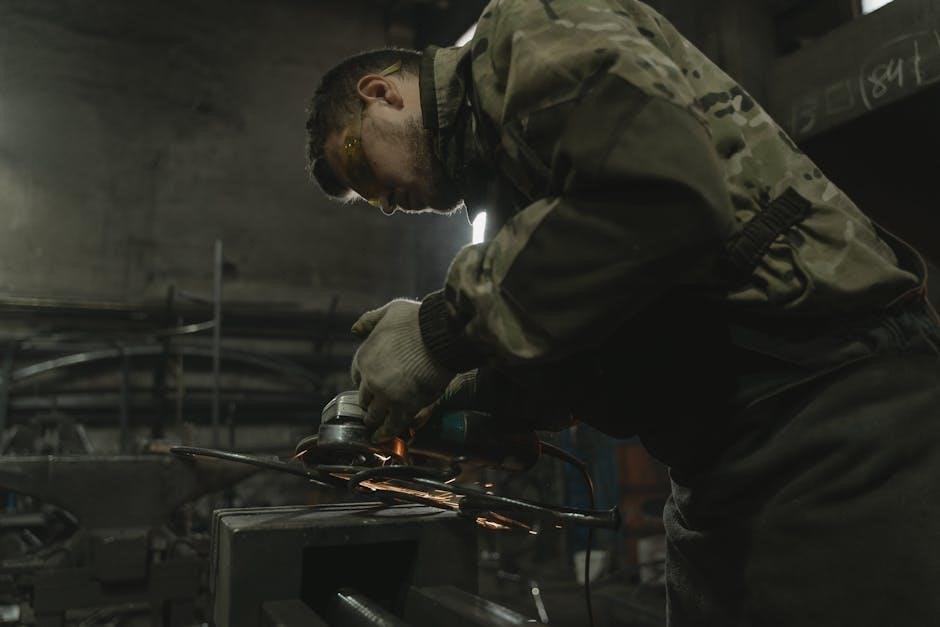
These drills typically involve deploying surface ships, aircraft, and specialized ASW equipment to detect, track, and neutralize simulated enemy submarines. Exercises focus on utilizing sonar systems, deploying anti-submarine weapons, and coordinating air-sea operations effectively. Interoperability with allied navies is often a key component.
Successful ASW requires extensive training, advanced technology, and a well-coordinated command structure. The Royal Thai Navy’s dedication to these exercises showcases its commitment to safeguarding its national interests and contributing to regional stability. Continuous improvement and adaptation to evolving threats are paramount.
VIII. Drill Mud & Borehole Construction (Related Naval Engineering)
Naval engineering frequently intersects with drill mud and borehole construction, particularly in seabed resource exploration, underwater infrastructure projects, and salvage operations. Understanding these principles is crucial for personnel involved in such endeavors.
Drill mud, a complex fluid, serves multiple functions: cooling the drill bit, removing cuttings, stabilizing the borehole, and controlling formation pressure. Borehole construction demands careful attention to factors like boring control, maintaining borehole bottom integrity, and managing fluid loss in offshore environments.
Effective mud management requires expertise in fluid properties, filtration control, and solids removal. Proper borehole construction ensures stability and prevents collapse; These techniques are also applicable to grouting operations for securing underwater structures. This section emphasizes the practical application of these engineering principles within a naval context.
IX. Safety Procedures During Drills
Prioritizing safety is paramount during all naval drills. Comprehensive risk assessments must precede every exercise, identifying potential hazards and implementing mitigation strategies. Personnel must receive thorough briefings on drill procedures, emergency protocols, and the use of safety equipment.
Clear communication is essential; designated safety officers should monitor drills, ensuring adherence to established guidelines. Regular equipment checks are vital to confirm functionality. During abandon ship and fire drills, strict adherence to evacuation routes and muster station procedures is mandatory.
Proper personal protective equipment (PPE), including life vests and fire-resistant clothing, must be worn at all times. Immediate reporting of any injuries or unsafe conditions is crucial. Post-drill debriefings should include a safety review to identify areas for improvement and prevent future incidents.
X. Post-Drill Analysis & Improvement
Thorough post-drill analysis is critical for continuous improvement of naval drill effectiveness. Immediately following each drill, a debriefing session should be conducted with all participating personnel. This session should focus on identifying strengths, weaknesses, and areas requiring refinement in procedures or training.
Detailed reports documenting drill performance, observations, and recommendations must be submitted to the appropriate command authority. Analysis should assess adherence to regulations, command voice clarity, formation accuracy, and overall response time. Identified deficiencies should be addressed through targeted retraining or procedural adjustments.
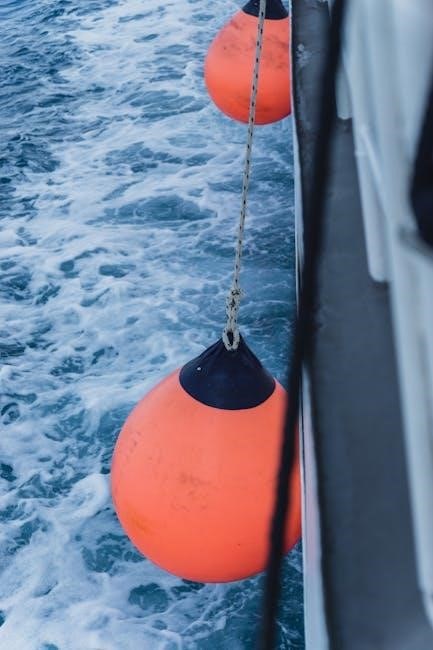
Regular review of drill scenarios and incorporation of lessons learned are essential to maintain realistic and relevant training. The goal is to enhance crew preparedness, optimize response capabilities, and ultimately improve the safety and effectiveness of naval operations.